The history of Maharashtra's culture before 1000 AD is rich and diverse, shaped by various dynasties and cultural influences. Let's explore the major highlights:
Ancient Period (Prehistoric to 3rd century BC):
Prehistoric cave paintings: The Ajanta and Ellora caves in Maharashtra exhibit exquisite cave paintings, dating back to the Upper Paleolithic period (40,000 to 10,000 BC).
Maurya Empire: Maharashtra was a part of the Maurya Empire under Emperor Ashoka in the 3rd century BC. Buddhist stupas and inscriptions from this era can be found in various regions.
Satavahana Dynasty (1st century BC to 3rd century AD):
The Satavahanas were a prominent dynasty ruling over Maharashtra and Andhra Pradesh. They patronized Buddhism and built several Buddhist monuments and stupas, including the famous Great Chaitya in Karla and Bhaja caves.
Vakataka Dynasty (3rd to 5th century AD):
The Vakataka Dynasty emerged in Maharashtra and established their capital at Vatsagulma (modern-day Washim). They were great patrons of art, literature, and religion. The famous Ajanta caves were commissioned during their reign, showcasing exquisite Buddhist rock-cut architecture and frescoes.
Chalukya Dynasty (6th to 8th century AD):
The Chalukyas ruled over parts of Maharashtra, Karnataka, and Andhra Pradesh. They were known for their architectural marvels, such as the rock-cut temples of Badami, Aihole, and Pattadakal.
Rashtrakuta Dynasty (8th to 10th century AD):
The Rashtrakutas were a powerful dynasty that ruled over Maharashtra, Karnataka, and parts of central India. They were great patrons of art and literature and played a significant role in the development of the region's cultural heritage.
Notable achievements during their reign include the rock-cut Kailasa Temple at Ellora, the Elephanta Caves near Mumbai, and the construction of the famous monolithic Jain statue of Gomateshwara at Shravanabelagola in Karnataka.
During this period, Maharashtra was an important center of trade and commerce. The region saw the growth of towns and cities, the spread of Buddhism and Jainism, and the development of literature, music, and dance forms. The cultural influences from various dynasties and the interaction with neighboring regions shaped the unique cultural heritage of Maharashtra before 1000 AD.

HISTORY OF CIVILISATION (UPTO 1818) (G.1)
Showing posts with label Maharashtra Culture. Show all posts
Showing posts with label Maharashtra Culture. Show all posts
Friday, June 2, 2023

Monday, June 1, 2009
Economy, Trade and Commerce I
Economic conditions play a significant role in determining the cultural
Progress of a particular geographical unit. 2History of civilization clearly
Demonstrates that periods of cultural florescence have always been periods of plenty and prosperity because unless elementary needs of existence are provided there will not be any effort towards culture progress2 .In India the river basins have always helped the development of the culture of the region.
The fertile regions along the banks of great rivers like the Indus, the Ganges, the Narmada, the Tapti, the Krisna, and the Tungabhandra etc have always been noted for their material prosperity which has afforded the people of these river basins enough leisure and resources to pursue culture achievement. The Godavari basin is not an exception to the general rule.
As noticed already, paithan is situated on the bank of the river Godavari. The basins of Godavari are noted for its fertility since ages. So also Paithan is noted for its agricultural products since the dawn of Godavari valley Civilization.
The economic life of the people of this region was governed by the laws and sanctions lay down by the Dharma-Sastras and other religious traditions. The early Dharma-Sastras regarded agriculture, trade and industry as undesirable professions. Manu characterized them as pramrite [“what caused death”] and Satyanrita [mixture of truth and falsefood] and therefore they were capable of running families. While Brihaspati condemned the wealth earned by these professions, theBudhist and the Jain Canonical laws also neglected these professions with disfavour.

Therefore, while prescribing the professions for different castes, the Dharma-Sastras prohibited agriculture, trade and industry to the upper classes. The Brahmanas were expected to devote themselves to spiritual and intellectual pursuits while the krhatriyas were asked to indulge in war and politics. However, the Vaisyas were to take to productive occupations and the Sudras were asked to live on agriculture, trade, handicrafts, cattle breeding etc. To this general convention an exception of Apadharma [in times of extreme crisis] was provided for. And in India, the free choice of occupation was limited by the rigid caste system.
The factors determining the economic prosperity
The economic development of the region is conditioned by several factors. Firstly, the economic life of the people was largely based on the physical background of region. Secondly, since the dawn of history, Indian economy is based on agricultural products. Thus India2s socio-economic base has been oriented towards agriculture. Consequently the majority of the people were always engaged on land. Agriculture had provided the base for taxation .Even today the land revenue is the main source of Indian economy. Thirdly, it was trade and commerce which produced economic surplus for it is wealth that begets wealth. Fourthly, the political stability provides the bases of sound economic system. Fifthly, in ancient times religion played a vital role in the process of economics growth. The political
Patronage and the religious sanctions had accelerated the economic progress. An attempt is made here to describe how Paithan had all the required facilities and how it became an important trade centre of international reputation.
Agriculture
Agriculture has been the main occupation of the people of this region. As noticed already good lands with fertile soil, plentiful water supply and agreeable climate made this area as the granary of the district. This fact is evidenced by the various excavations done so far. Again the mode of construction of houses which consist of a large underground godown supports and method of storage. These godowns are being used as seasonal storehouses.
Pre – Satavahana period
Our knowledge of the extent of the technique and method of cultivation during the pre-Satavahana period is very limited. Pratishthana was a developed centre having agriculture as their main source of livelihood. Even the stories of Aryanisation confirm the above facts. The Aryan clans which migrated from the northen India and those well acquainted with the river side agriculture preferred this particular fertile basin of Godavari. With great efforts they successfully managed their plantation and settled themselves in this particular area. The name Pratishthana is suggestive of the fact.
During the period of Aryanization, there was a great need to bring more lands under cultivation and hence every encouragement was given to achieve the result. The individual who cleared the forest and took steps to extend the area of cultivation was given a right to enjoy the fruits of his efforts. According to Manu, 2the field belonged to him who cleared away the timber and the deer to him who just wounded it2. Manu and Gautama suggest that giving separate households for brothers would result in better religious merit.
All these were intended to promote individual ownership of land so that the landlords could develop personal interest in cultivation. As noticed already, pratishthana was the capital of the Janapadas like Mulaka, Asmaka and Petenika. Being a capital it served as the center of trade and commerce. During the periods the nature of commerce was rather primitive and mainly based on barter system. Thus we may conclude that the region is known for its fertility from the earliest times. As it was a center of surplus production it gave boosting to trade and commerce. The political patronage added to its commercial values.
Agriculture under the Satavahanas
The advent of the Satavahanas to power opened a new chapter in the economic history of Paithan. By issuing a number of land grants to the worthy cultivators they tried to promote cultivation. The earliest epigraphical evidence to this effect can be had from the Managua record where the grant of a village was recorded. The gifted lands were exempted from revenue. This is again evident from the warning issued to the royal officers by Gautamiputra. Again it was expected that the granted land should be well cultivated otherwise the concerned village would not be settled.
The landholdings seem to have been moderate ranging from two to forty Nivartanas. A Nivartana is equal to one and a half acre. However, certain holdings were big to the extent of 100 Nivartanas. From this it is evident that the process of fragmentation of land was popular. But it was checked by the joint family system. However, the growing density of population in fertile river regions also added the strength to the tendency for fragmentation of land. Thus the scope for the formation of large agriculture
Holding was limited.
Type of agriculture products
From Gathasaptasati of Hala it is evidenced that Charu [rice] was produced on large scale. Wheat, Javar and cotton were the common crops. Besides, these there were the mustard seeds, the pulses [the gram], the nuts [groundnuts] and the oil seeds etc.
Post – Satvahana periods
Agriculture continued to be the basic industry during the post- Satavahana period. This can be evident from the various charters issued in connection with the grants of land by the various succeeding dynasties. The grants are as follows:
Vakatakas
The Poona plates of prabhavatigupta mentions the grants of village Danguna to the Acharya Chanala Svami, a Brahamana of Paithan. The donated village was situated in the Sapratishthita-ahara. The Jamba plates of Pravarsena-|| mentions the grant of a village kotharukagrama of Sapratishthita-ahara and the donee was Kalutaka, the Brahmana pandita. The Wadegaon Plates of Pravarsena-|| mentions the grant of 400 Nivartanas of land of the of the village valusuka of Sapratishthita-ahara .unfortunately we have no reference from the Chalukya dynasty. However , we may presume that under Chalukyas Agriculture was in a flourishing condition.
Rashtrakutas
The Sinar Charter of Dhruva records a gift of a village ‘Brihat-Pushkarika’ of Pratishthana division to a Brahmana ‘Vardjana’. The Paithan plates of govinda lll records the grant of a village Limbarmika from pratishthana Bhukti to a number of a Braminas from Paithan. The Copper plates of India lll register a gift of a village Khairondi from pratishthana division.
Yadavas
The Paithan plates of the Yadav king Ramchandra record of a gift of a gift of Vanthangrama from the Seundesa division. The donated village and the surrounding villages which were mentioned in the copper plates were from Paithan jurisdiction. So from the above evidences it is clear that agriculture was the main industry during these periods. Generally land was divided into three different categories: the land of the king (Mahipati), the land owner [Svami], and the cultivator [Krishika]. This is more or less confirmed by Brihaspati who makes it clear that landowner [Svami] occupied an intermediate position between the king and the actual tiller of the soil.
Viewed from the above discussion, it is clear that the agriculture system of the region was entirely based on the monsoon. The Indian monsoon is known for its variety of moods. Besides facing the moods of the changing monsoons the agriculture have to face the natural calamities like draughts and floods. Famine is a common factor the Indian economy and every decade is marked by a famine. The famine of 1467 A.D was the most severe one because it lasted for seven continuous years. It was believed that the malevolence of the goddess ‘Durga’ was the root cause of that natural calamity. It is also known as the famine of Durgadi. Because of the continuity of the famine the entire economy was ruined and the centers of Sanskrit learning were shattered. During this famine, many learned Brahmanas migrated to Kashi. Among them the Bhatt families were prominent ones. All the Vatanas [i.e. the land gifts to a reputed person] were ruined. The temples were also ruined and the population was scattered. So the famine of 1467 A.D inflicted a severe blow which distributed the traditional city from its rich inheritance. As noted already, the Bahamani layer, from the paithan excavations was discovered to be filled with mud and silt. Then it would be no wonder, if he [the common farmer] was made to feel that his sufferings or happiness was the fruit of a divine malevolence or benevolence. And only for this reason, he felt convinced that without the grace of God, his personal efforts would be of no value and the best things would be the absolute submission to the desires of the Almighty. Thus the nature and the structure of the agriculture economy, in which more than ninety percent population was engaged, compelled the farmer to be religious- minded. And it is rather striking that the religious centers like Paithan were enriched by the offerings, those were made by the poor peasants who wanted to escape from their traditional sufferings. He came there with the hope to lead a comfortable life and the clever priests convinced him to be hopeful forever.
If we compare the hardships of the farmers of other than river basin, the common peasants of this region were better placed and well contented. And because of the contented life they were attracted towards such centers.
Trade and Commerce
Paithan seems to have been an important centre of trade and commerce even during the pr- satavahana period. The arthasatras of kautily gives some information regarding the volume of the trade of the south in the age of early Mauryan empire. Although it was deficient in woollen cloth, hides and horses , Daksinapatha abounds in counch shells, diamonds , precious stones, pearls and articles of gold. Moreover, the southern trade routes across Daksinapatha traverse a territory rich in mines and valuable merchandise, is frequented by many and easy to travel by. And from the Buddhist literature it is evident that Pratishthana was the great capital city and centre of great commercial activities. The emergence of the Satavahanas totally transformed the facet of Pratishthana centre.
It enjoyed the commercial status in those days just as any commercial place in modern times . Hence during the times of the satavahanas, paithan attained a status of great international reputation. There was very brisk and wide-spread inland trade because of the prosperity of the region. This is testified by the Greek travelers and geographers. According to them, there were a number of market towns along the west part of the Deccan plateau like Paithan. Tagara, Junnar, Nasik etc. Being the capital city and a town of great consequence it was well linked with the other trading centres and ports on the eastern and western coast lines. So it is necessary to study the role played by Paithan as an important trading centre.
Trade routes
As noted above, Paithan was linked with the important political and commercial centers of the whole of India. This fact is evident from various stories of the Jatakas and of the Jaina literature. The description of the trade routes may be studied thus:
Northern Routes
The Vindhya and Satpura ranges separate the North India from the South. Because of the deserts of Kachha and Rajasthan, generally the northern-routes passed through Malva and Avanti. Naturally they cut across the valleys such as Narmada, Tapti and also the Ganges.
Out of these routes the Pratishthana-Sravasti route was probably the oldest one. It is referred to in the Baveru-Jataka, where Baveru asked his disciples to follow the Sravasti- Pratishthana path with its six intermediate halts and frequent river crossings [Pratishthana-Mahishmati-Ujjain-Gandhara-Vidisa-Kosambi and Sravasti]. Again one route leads from Kosambi to Patiliputra and the next to Agra and Mathura and from Mathura the third leads to Indraprastha, Taxila, Gandhara, Balkha and from thence to the centers of the Inter continental central Asiatic routes.
The route from Pratishthana to North India generally passed through the region of Ajanta hills [Markhinda] which are famous for its Buddhist caves and paintings and Bhogavardhana, a contemporary Janapada. The next important intermediary halt was the city of Burhanpur, adjoining the Tapti valley and the Satpura Mountain. The next halt Mahishmati, a famous ancient city, was situated at such a strategical point that both the ranges of Satpura [Saindva pass] and Vindhya [Gujari pass] meet in a point. The next halts were Ujjain and Vidisa. The supremacy of the Satavahanas over this region is testified by the Bhilasa epigraph. Thus the northen routes were important as they linked the southern metropolitan cities with the north Indian and Central Asiatic trading centres. Through there were much hardships while crossing the mountains and the rivers it was the safest and surest way because it avoided the hazards of sea voyage. Thus the whole of the northen India was commercially linked up with Pratishthana, the famous capital of the Satavahanas. The Satavahanas were very particular about their trade and commerce. There special interest in this context is evident from the following Jaina accounts.
According to the Jaina tradition, once Salivahana asked his commander- in- chief to conquer Mathura. The commander- in- chief immediately left on an expedition. However, he did not dare to ask the king about the location of the city of Mathura that was to be conquered. Hence he conquered both the Mathuras [i.e. north as well as south Mathura]. Thus the story is suggestive of the over lordship of the Satavahanas on the said region, would safeguard their commercial interest with the foreign countries.
Again the Kathasaritsagara of Somadeva confirms the trade contacts between Pratishthana and the North Indian centres. It is mentioned that Dharma, a feudal lord travelled from Deccan to Malva and Sangramadatta was said to have carried gold on a camel back from Pratishthana to Patiliputra. Moreover, the Pratishthana-Ujjain route was marked by certain interesting intermediary centres. Firstly, there were certain ancient Janapadas like Bhogavardhana along the route. Secondly, the world famous caves of Ajanta and Ellora lay on it. The Buddhist rock cut caves and the paintings of Ajanta are famous since that time. The northen route from Ujjain, after crossing the river Narmada and proceeding towards modern Burhanpur came to the ancient town Bahal from where the caravans either went to south towards Pratishthana or west to Nasik. The famous caves of Ajanta, Pitalkhora and Aurangabad lay on the Bahal- Pratishthana route.
The most strategic intermediate halt on the northern route was Ujjain or Avanti which was the most ancient town of India. And the acquisition of Ujjain by the Satavahanas was a matter of pride and prestige. The over lordship of the Satavahanas on city of Ujjain can be evidenced through a number of Jain stories. A certain Jaina Acharya freed his sister from the unlawful imprisonment by a king of foreign dynasty with the help of the help of the king, Satavahana. And it is evident that the sakas and Ksatrapass were alien to this region and Gautamiputra satakarni not only defeated the sakas and the ksatrapas but had exterminated them from the Indian soil. The restruck coins by Gautamiputra satakarni prove it beyond doubt. Again the sanchi epigraphs confirm the said fact.
The southern Routes
The Southern- Routes were directly connected with Paithan. Paithan’s connections with southern areas were of a different nature when compared to the north. It was due to the fact that their empire extended from West coast to East coast. Further, the entire trade from the ports likes Masula on the East coast and the islands centers such as kondapur and Tagara was directly connected with Pratishthana. It is possible that Pratishthana must have also been a centre of trade guilds and other commercial concerns. In fact Pratishthana was the meeting place of traders from the east and the west. This is further testified by the excavated data at Paithan. And tar in Osmanabad district seems to have been another important metropolitan city where a large Roman settlement existed.
Saturday, April 25, 2009
Caste system in 1818

Cast system
The Caste System (4th chapter)
In ancient India there developed a social system in which people were divided into separate close communities. These communities are known in English as caste. The origin of the caste system is in Hinduism, but it affected the whole Indian society. The caste system in the religious form is basically a simple division of society in which there are four castes arranged in a hierarchy and below them the outcast. But socially the caste system was more complicated, with much more castes and sub-castes and other divisions. Legally the government disallows the practice of caste system but has a policy of affirmative discrimination of the backward classes.
The Beginning of the caste system
There are different theories about the establishment of the caste system. There are religious-mystical theories. There are biological theories. And there are socio-historical theories.

The religious theories explain how the four Varnas were founded, but they do not explain how the Jats in each Varna or the untouchables were founded. According the Rig Veda, the ancient Hindu book, the primal man - Purush - destroyed himself to create a human society. The different Varnas were created from different parts of his body. The Brahmans were created from his head; the Kshatrias from his hands; the Vaishias from his thighs and the Sudras from his feet. The Varna hierarchy is determined by the descending order of the different organs from which the Varnas were created. Other religious theory claims that the Varnas were created from the body organs of Brahma, who is the creator of the world.
The biological theory claims that all existing things, animated and unanimated, inherent three qualities in different apportionment. Sattva qualities include wisdom, intelligence, honesty, goodness and other positive qualities. Rajas include qualities like passion, pride, valour and other passionate qualities. Tamas qualities include dullness, stupidity, lack of creativity and other negative qualities. People with different doses of these inherent qualities adopted different types of occupation.
According to this theory the Brahmans inherent Sattva qualities. Kshatrias and Vaisias inherent Rajas qualities. And the Sudras inherent Tamas qualities.
Like human beings, food also inherents different dosage of these qualities and it affects its eater's intelligence.
The Brahmans and the Vaisias have Sattvic diet which includes fruits, milk, honey, roots and vegetables. Most of the meats are considered to have Tamasic qualities. Many Sudra communities eat different kinds of meat (but not beef) and other Tamasic food. But the Kshatrias who had Rajasic diet eat some kinds of meat like deer meat which is considered to have Rajasic qualities. Many Marathas who claim to be Kshatrias eat mutton. The drawback of this theory is that in different parts of India the same food was sometimes qualified to have different dosage of inherent qualities. For example there were Brahmans who eat meat which is considered Tamasic food.
The social historical theory explains the creation of the Varnas, Jats and of the untouchables. According to this theory, the caste system began with the arrival of the Aryans in India. The Aryans arrived in India around 1500 BC. The fair skinned Aryans arrived in India from south Europe and north Asia. Before the Aryans there were other communities in India of other origins. Among them Negrito, Mongoloid, Austroloid and Dravidian. The Negrito have physical features similar to people of Africa. The Mongoloid have Chinese features. The Austroloids have features similar the aboriginals of Australia. The Dravidians originate from the Mediterranean and they were the largest community in India. When the Aryans arrived in India their main contact was with the Dravidians and the Austroloids. The Aryans disregarded the local cultures. They began conquering and taking control over regions in north India and at the same time pushed the local people southwards or towards the jungles and mountains in north India.
The Aryans organized among themselves in three groups. The first group was of the warriors and they were called Rajayana, later they changed their name Rajayana to Kshatria. The second group was of the priests and they were called Brahmans. These two groups struggled politically for leadership among the Aryans. In this struggle the Brahmans got to be the leaders of the Aryan society. The third group was of the farmers and craftsmen and they were called Vaisia. The Aryans who conquered and took control over parts of north India subdued the locals and made them their servants. In this process the Vaisias who were the farmers and the craftsmen became the landlords and the businessmen of the society and the locals became the peasants and the craftsmen of the society.
In order to secure their status the Aryans resolved some social and religious rules which, allowed only them to be the priests, warriors and the businesmen of the society. For example take Maharashtra. Maharashtra is in west India. This region is known by this name for hundreds of years. Many think that the meaning of the name Maharashtra is in its name, Great Land. But there are some who claim that the name, Maharashtra, is derived from the Jat called Mahar who are considered to be the original people of this region. In the caste hierarchy the dark skinned Mahars were outcasts. The skin color was an important factor in the caste system. The meaning of the word "Varna" is not class or status but skin color.
Between the outcasts and the three Aryan Varnas there is the Sudra Varna who are the simple workers of the society. The Sudras consisted of two communities. One community was of the locals who were subdued by the Aryans and the other were the descendants of Aryans with locals. In Hindu religious stories there are many wars between the good Aryans and the dark skinned demons and devils. The different Gods also have dark skinned slaves. There are stories of demon women trying to seduce good Aryan men in deceptive ways.
There were also marriages between Aryan heroes and demon women. Many believe that these incidences really occurred in which, the gods and the positive heroes were people of Aryan origin. And the demons, the devils and the dark skinned slaves were in fact the original residence of India whom the Aryans coined as monsters, devil, demons and slaves.
As in most of the societies of the world, so in India, the son inherited his father's profession. And so in India there developed families, who professed the same family profession for generation in which, the son continued his father's profession. Later on as these families became larger, they were seen as communities or as they are called in Indian languages, Jat. Different families who professed the same profession developed social relations between them and organized as a common community, meaning Jat.
Later on the Aryans who created the caste system, added to their system non-Aryans. Different Jats who professed different professions were integrated in different Varnas according to their profession. Other foreign invaders of ancient India - Greeks, Huns, Scythains and others - who conquered parts of India and created kingdoms were integrated in the Kshatria Varna (warrior castes). But probably the Aryan policy was not to integrate original Indian communities within them and therefore many aristocratic and warrior communities that were in India before the Aryans did not get the Kshatria status.
Most of the communities that were in India before the arrival of the Aryans were integrated in the Sudra Varna or were made outcast depending on the professions of these communities. Communities who professed non-polluting jobs were integrated in Sudra Varna. And communities who professed polluting professions were made outcasts. The Brahmans are very strict about cleanliness. In the past people believed that diseases can also spread also through air and not only through physical touch. Perhaps because of this reason the untouchables were not only disallowed to touch the high caste communities but they also had to stand at a certain distance from the high castes.
The Religious form of Caste System
In Hinduism there exists four castes arranged in a hierarchy. Anyone who does not belong to one of these castes is an outcast. The religious word for caste is 'Varna'. Each Varna has certain duties and rights. Each Varna members have to work in certain occupation which only that Varna members are allowed. Each Varna has certain type of diet. The highest Varna is of the Brahman. Members of this class are priests and the educated people of the society. The Varna after them in hierarchy is Kshatria. The members of this class are the rulers and aristocrats of the society. After them are the Vaisia. Members of this class are the landlords and businessmen of the society. After them in hierarchy are the Sudra. Members of this class are the peasants and working class of the society who work in non-polluting jobs. The caste hierarchy ends here.
Below these castes are the outcasts who are untouchable to the four castes. These untouchables worked in degrading jobs like cleaning, sewage etc.
The first three castes had social and economical rights which the Sudra and the untouchables did not have. The first three castes are also seen as 'twice born'. The intention in these two births is to the natural birth and to the ceremonial entrance to the society at a much later age.
Each Varna and also the untouchables are divided into many communities. These communities are called Jat or Jati (The caste is also used instead of Jat). For example the Brahmans have Jats called Gaur, Kokanastha, Sarasvat, Iyer and others. The outcasts have Jats like Mahar, Dhed, Mala, Madiga and others. The Sudra is the largest Varna and it has the largest number of communities. Each Jat is limited to professions worthy of their Varna. Each Jat is limited to the Varna diet. Each Jat members are allowed to marry only with their Jat members. People are born into their Jat and it cannot be changed.
This is the how the caste system is supposed to be in its religious form. But in reality it is much more complicated and different from its religious form.
The Confusing Caste System
The confusion in the caste system begins by the use of the word caste. The Indians in their different languages use the word 'Jat' for any community who have something common like religion, language, origin, similar geographical background and so on. The Indians also use the word 'Jat' for Varna. The Portuguese who were the first European power to arrive in India distorted the word 'Jat' into caste. The British who arrived to India much later after the Portuguese also used the word caste. The British used the word Caste instead of Jat and Varna. And so sometimes in English the caste system is explained in a confusing way according to which, the caste system consists of four castes which are divided into many castes. Sometimes in English the word caste is used for Varna and the word sub-caste for Jat. In this section to prevent confusion we will use the words Varna and Jat.
And now we will see the complication in the caste system itself.
Each Varna consists of many communities called Jats. Each Varna does consist of different Jats but many of these Jats break up into more communities and each such community refers to itself as different or unique Jat. There are different reasons for these different communities within each Jat. One reason can be the different occupations each community within the Jat professes. Other reasons can be inter-Jat political reasons. Many Jats consists of millions of people and it also causes break up of the larger community into smaller communities. There are also Jats which originate from different parts of India and profess the same profession and therefore get a common name, even though they are not one single community. For example the Jats that profess cloth washing are called collectively as Dhobi. For non- Dhobis the Dhobis are one Jat but within them they are not one community.
The hierarchy between the Varnas. All the Jats accept that the Brahman Varna is the highest Varna in the hierarchy and the untouchables are outcast and lowest in the hierarchy. But most of the Jats in different Varnas claim to be superior and higher than other Jats. Some of the Jats as stated earlier break up into smaller communities or Jats. In these Jats that break up into different communities, there are communities that look at themselves as superior or higher in hierarchy than other communities. Among the Brahman Varna, there are Jats that consider themselves as superior than other Brahman Jats.
Some of the Brahman Jats break up into smaller communities, and between these communities within the Jat there also exist a hierarchy.
Among the other Varnas there also exists hierarchy phenomenon. Different Jats claim to be superior than the other Jats in their Varna. Some Jats in the Vaisia and Sudra Varnas also claim to be closer or equal in hierarchy to the Brahman Varna. These Jats that claim this status adopted Brahman customs like vegetarian diet and strict observance of purity and cleanliness. Some Jats claim to be closer to Kshatria, which is the warrior class of the Indian society. The Marathas in west India and Reddys in south India were among the Jats which claimed Kshatria status.
Among the outcast there was also the superior status phenomenon in which one outcast Jat considered itself as superior and did not have physically contact with other outcast Jats which it considered as inferior. For example the Mahars in west India considered themselves superior than Dhed and they did not mingle with the Dheds.
Each Jat professes an occupation worthy of its Varna status. In most of the cases there was a connection between a persons profession and his Varna. Among the different Varnas there also developed guilds based on Jat lines, professing specific professions. In west India the Jat that professed oil pressing were called Somwar Teli. Another Jat members were the shepherds of the society and they were called Dhangar. Another Jat members were the cowherds of the society and they were called Gaoli. The Kunbis were the peasants of the society.
But some of the professions had different status in different parts of India and they were located at different levels in the caste hierarchy. For example Dhobis (washers) in north India were seen as untouchables. While in west India they had Sudra status. The oil pressers in east India were seen as untouchables, in central India they had a high status while in west India they had Sudra status.
There were also many cases where the Jat members did not profess occupation worthy of their Varna. Many Brahmans, who are supposed to be the priest and learned of the society, did not find jobs as priests or did not manage to feed their families as priests and therefore worked as simple farmers. On the other hand there were many Brahmans who were landlords and businessmen, professions supposed to belong to the Vaisia Varna.
Also among the other Varnas not all professed the occupations worthy of their Varna. In west India the Maratha were the warriors and the aristocracy. Originally the Marathas belonged to the different Jats in west India. Most of these Jats were in Sudra level. But the Marathas who became the aristocracy of west India claimed and acquired the Kshatria status. In the 17th and the 18th century the Marathas even established an empire which ruled large parts of India. During the Maratha reign members of a Brahman Jat, Kokanastha Brahman, were ministers. From 1750 these Brahmans became the rulers of the Maratha Empire.
Like the Marathas there were other communities which, religiously did not belong to the Kshatria status but acquired this status. The Reddy in Andra Pradesh and Nayar in Kerala are such two examples.
Religiously marriage occurs within the Jat. The different Jats members almost always respected this rule and people who dared break this rule were outcasted. But this rule also had exceptions. Usually the higher Varnas were very strict about this custom. But in some of the higher level Jats of the society, they used to have polygamy. In these cases, because of scarcity of women, men use to marry women from the lower levels of the society.
In some Indian societies between-jat marriage was even an acceptable feature. One such example of marriages existed in Kerala, in south India. In Kerala, Nayar women (aristocracy community) married men from Numbodiri Brahman community.
Another problem considering the Jat marriage was the internal structure of the Jats. As stated earlier some Jats break up into smaller communities. In most of the cases each such community members marry only with members of their own community and not with other community members within the Jat. In some cases there is a hierarchy between the different communities of the same Jat. In such cases a daughter from the lower community could marry a son from the higher community but not vice versa.
Each Varna had different diet. Hinduism has many strict dietary rules. In general the higher Jats are more strict about their dietary customs than the lower Jats. The Brahman Jats have the most strict dietary customs. They will not eat in lower Jats homes or even with lower Jats (because of this reason many restaurants hired Brahman cooks). The Brahman diet is supposed to include only vegetarian food. Jats who claimed Brahman status also adopted vegetarian diet of the Brahmans. But there are some Brahman Jats who traditionally eat meat, fish, chicken and egg (which is considered non-vegetarian).
Some Brahman Jats in Kashmir, Orissa, Bengal and Maharashtra traditionally eat meat. But this meat was never cattle meat.
Jat is determined by birth and it cannot be changed. In the beginning the caste system was not a strict system and people could move from one Varna to another. Indologists give different dates to this period of change. Some claim the change occurred around 500 B. C. and other claim 500 A. D. Until then, communities and even singular person moved from one Varna to another Varna, because of their desire to adopt different occupations. There were some kings who belonged the Kshatria (warrior castes) and changed their status to become religious Brahmans. There were also who changed their status to become warriors. And even after the caste system was organized in a strict manner there were many communities who did not always follow their status occupations. There was a case of a Jat that lost its high status because they did not profess the profession worthy of their Varna. The Kayastha of east and north east India originally belonged to the Kshatria Varna (warrior caste). Some time in the past among warriors communities, there developed a bureaucratic unit whose job was writing and listing war events and they were called Kayasthas. Because these unit members were not warriors, they were excluded from the Kshatria status and were given a lower status. But the Kayasthas even today claim Kshatria status.
The Jat status
Jats like Kayastha, Reddy, Maratha, Nayar and others changed the basic four-fold hierarchy caste system. These Jats had high status but their exact status is not clear and different communities give different interpretations to their status of different Jats. As stated earlier different Jats claim theirs to be the superior than the other Jats and therefore the caste system even today is not always interpreted objectively by Indians but subjectively. For example the Kayastha claim themselves to be Kshatria while others do not always agree with this claim. Among the Marathas the confusion is even greater. In the narrow sense the Jat of Maratha applies to 96 clans who ruled and governed the parts of west India. Originally the Maratha clans belonged to different levels of Indian hierarchy. They mostly belonged to different Jats of Sudra. But many Jats of west Maharashtra claim that they are Marathas too. Sometimes the Kokanastha Brahmans (who were ministers of Maratha empire in 18th century and later on continued the Maratha Empire and their reign) are also introduced as Marathas causing a greater confusion in Maratha definition.
The reasons stated above are among the few reasons that causes confusion in caste system.
Untouchables
The untouchablity feature in the caste system is one of the cruelest features of the caste system. It is seen by many as one of the strongest racist phenomenon in the world.
In the Indian society people who worked in ignominious, polluting and unclean occupations were seen as polluting peoples and were therefore considered as untouchables. The untouchables had almost no rights in the society. In different parts of India they were treated in different ways. In some regions the attitude towards the untouchables was harsh and strict. In other regions it was less strict.
In regions where the attitude was less strict the untouchables were seen as polluting people and their dwellings were at a distance from the settlements of the four Varna communities. The untouchables were not allowed to touch people from the four Varnas. They were not allowed to enter houses of the higher Varnas. They were not allowed to enter the temples. They were not allowed to use the same wells used by the Varnas. In public occasions they were compelled to sit at a distance from the four Varnas. In regions where the attitude towards the untouchables were more severe, not only touching them was seen polluting, but also even a contact with their shadow was seen as polluting.
If, because of any reason, there was a contact between an untouchable and a member of the Varnas, the Varna member became defiled and had to immerse or wash himself with water to be purified. In strict societies, especially among the 'Twice Born' (the three top Varnas) the touched 'Twice Born' also had to pass through some religious ceremonies to purify himself from the pollution. If the untouchable entered a house and touched things of a Varna member, the Varna members used to wash or clean the places where the untouchable touched and stepped.
In some incidences the untouchables who associated with the Varna members were beaten and even murdered for that reason. Some higher hierarchy Jats also had servants whose job was to go or walk before the high Jats members and announce their coming to the streets and to see to it that the streets would be clear of untouchable people.
The orthodox Hindus treated anyone who worked in any kind of polluting job as untouchable and did not have any contact with them. According to orthodox rules any one who does not belong to the four Varnas, meaning foreigners, are untouchables.
The non-Hindus in caste system
Religiously anyone who does not belong to the four Varnas is an outcast and untouchable. It means, all foreigners and non-Hindus are all supposed to be untouchables. But in reality neither all foreigners nor non-Hindus were treated as untouchables. Foreigners and non-Hindus were treated differently in different parts of India. Some of the foreigners adopted Hinduism and integrated in the upper level of the Hindu hierarchy.
The Rajputs of Rajasthan belong to the Kshatria Varna (warrior castes). The Rajputs, more than any other Indian Jat, represent the warrior castes of India. Almost any Indian community which claims to be a warrior community, claims a Rajput ancestry. But it is believed that many foreign invaders of ancient India (see- India in the past), like Scythians; Huns; Greeks and others, who adopted Hinduism, integrated in the Rajput community and acquired a Kshatria status (see also Sati - burning of the widow).
The Konkanash Brahmans of west India are also believed to have non- Indian descent. According to a Hindu legend, an incarnation of Lord Vishnu, Parsuram, found on the Konkan beach some dead bodies which were washed to the shore. In order to cremate them Parsuram gathered them on a pyre. These dead bodies woke up on pyre, probably because they were not dead in the first place but were only unconscious.
Parsuram converted these people to Hinduism and made them Brahmans. There are other theories about the origins of these Kokanasth Brahmans. Many of these Brahmans have gray-green eyes. Some claim them to be Vikings or of other European origin. In the Konkan coast there is Jewish community called Bene Israel. Some claim that these Jews are from the 'Lost Tribes'. These Jews who arrived in India after their ship-wrecked near the Konkan coast claim that they and the Kokanastha Brahmans are descendants of the survivals from the same ship. And in their version, it was not an incarnation of Lord Vishnu who converted the Kokanastha Brahmans but a local Brahman. Anyway these Jews do not have gray-green eyes like the Kokanastha Brahmans.

Different religion followers got different status in different parts of India. The Jews of west India (called Bene Israel) had a different status from Jews of south India (Cochini Jews). The Bene Israels professed oil pressing and they had a status equal to a Hindu Jat called Somvar Teli, which also professed oil pressing and were part of Sudra Varna. Some orthodox Hindus treated anyone who was a non-Hindu or doing any type as polluting job as untouchable and therefore treated the Jews as untouchables. But even though the Jews in west India had low status there were among them some who were landlords, businessmen and high rank officers in local armies.
Comparing to the Bene Israels, the Jews in south India had higher status. The Jews in Kerala were the business community of Kerala. They even ruled a small kingdom. They had aristocratic rights, such as use of elephants and sedans. They even had servants whose job was to announce their coming to the streets so that the low castes could move away from their way.
The relations between the Jewish communities of India are sometimes explained as affected by the Indian caste system but these relations can also be explained according to Jewish religious laws. There were three main Jewish communities in India. The Baghdadis, the Bene Israels and Cochinis. The Baghdadi Jews were much strict about religious laws than the Bene Israel Jews. The Baghdadis did not mingle with Bene Israel Jews. The Baghdadis did not allow marriages between their children and the children of Bene Israel. They did not eat food prepared by Bene Israel and they refused to count the Bene Israel as part of the Minyan (the ten necessary to start a Jewish prayer). Many explain these relations as an influence of the Indian caste system on the Jewish communities. According to this explanation, the Baghdadi Jews referred to themselves as higher caste than the Bene Israel Jews and therefore did not mingle with them. But these relations between the Jewish communities can also be explained according to the Jewish Halacha laws. The Baghdadi Jews who were much strict about Jewish laws and diet did not mingle with the Bene Israels because the Bene Israels were secular Jews and they perceived in Bene Israel Jews as impure Jews.
The Muslims who arrived in India were strong and powerful to be treated as untouchables.
Not only were they strong in the military sense, they also tried to enforce their religion on the Indians. The Indians who converted to Islam in most of the cases remained in the same social status as they had before their conversion to Islam. Hindus from the higher Varnas remained at the higher levels of Indian society. Hindus from the lower levels of the hierarchy thought that by converting to Islam they would come out from the Hindu hierarchy system, but in most of the cases they remained in the same hierarchy level after they converted. Among the Muslims of India there has developed a two-tier hierarchy. The upper class, called Sharif Jat, includes Muslims who belonged to the higher levels in caste hierarchy and also Muslims who arrived to India from foreign countries. The lower class, called Ajlaf Jat, includes Muslim converts from lower castes. As in the world, the upper classes do not have close social relations with lower classes, the same way the Sharif Jat do not normally have close social relations with Ajlaf Jat.
The different Christian communities of India were treated in different ways in different parts of India. The Syrian Christians of Kerala had a high status. Along with the Jews, they were the business communities of Kerala and they too had aristocratic rights. The Indians who were baptized from the 16th century by Christian missionaries remained mostly in the same status they had before. As in the Muslim community of India, the Christians also have a two-tier social hierarchy. Many untouchables who converted to Christianity are still treated as untouchables, sometimes by other Christians.
The European Christians are also supposed to be untouchables to Hindus. Some Europeans in the 17th and 18th century even claimed that they were treated as untouchables. But later on with British rule over India it were the upper level Hindu castes, specially the Brahmans, who adopted the European democratic philosophy according to which all are equal and they introduced it to other Indians.
Other religions which were established in India - Buddhism, Jainism and Sikhism - also have some marks of caste system, even though they oppose caste system. Sikhism rejects caste system. But different Jats who adopted Sikhism act according to traditional Jat lines. The different Jats normally marry within caste lines. The Jats which were the elite of the Punjab and converted to Sikhism do not give equal respect to Sikhs who belong to the lower levels of Indian hierarchy. The Jains also have separate communities who marry within the community lines. The Buddhist in India have a two-tier hierarchy and just like in the cases of Christians and Muslims it is also related to the status of the community to whom the person belongs.
On the other hand the Mahar community of west India, who were untouchables and converted mostly to Buddhism, prefer, because of different political reasons to recognize themselves as Mahars and not always as Buddhists.
Not all residents of India were part of the caste system. About 7% of India's population are referred to as tribes and not as castes or Jats. These tribes are scattered all around India and they are descendants of communities who were not interested in the Varna hierarchy. They preferred to live away from the main societies deep in the jungles, forests and mountains of India. They survived mostly on fishing, hunting or simple agriculture, and also from stealing, robbing and plundering. These tribes had different religious beliefs and different gods. Some of them had simple beliefs, but others use to sacrifice human beings in their ceremonies. One such tribe, called Gond, had a strong kingdom in central India. Most of the tribes adopted Hinduism, others adopted Islam or Christianity. Some tribes in East India claim to Jewish origin.
Caste system in modern India
The leaders of independent India decided that India will be democratic, socialist and secular country. According to this policy there is a separation between religion and state. Practicing untouchability or discriminating a person based on his caste is legally forbidden. Along with this law the government allows positive discrimination of the depressed classes of India.
The Indians have also become more flexible in their caste system customs. In general the urban people in India are less strict about the caste system than the rural. In cities one can see different caste people mingling with each other, while in some rural areas there is still discrimination based on castes and sometimes also on untouchability. Sometimes in villages or in the cities there are violent clashes which, are connected to caste tensions. Sometimes the high castes strike the lower castes who dare to uplift their status. Sometimes the lower caste get back on the higher castes.
In modern India the term caste is used for Jat and also for Varna. The term, caste was used by the British who ruled India until 1947. The British who wanted to rule India efficiently made lists of Indian communities. They used two terms to describe Indian communities. Castes and Tribes. The term caste was used for Jats and also for Varnas. Tribes were those communities who lived deep in jungles, forests and mountains far away from the main population and also communities who were hard to be defined as castes for example communities who made a living from stealing or robbery. These lists, which the British made, were used later on by the Indian governments to create lists of communities who were entitled for positive discrimination.
The castes, which were the elite of the Indian society, were classified as high castes. The other communities were classified as lower castes or lower classes. The lower classes were listed in three categories. The first category is called Scheduled Castes. This category includes in it communities who were untouchables. In modern India, untouchability exists at a very low extent. The untouchables call themselves Dalit, meaning depressed. Until the late 1980s they were called Harijan, meaning children of God. This title was given to them by Mahatma Gandhi who wanted the society to accept untouchables within them.
The second category is Scheduled Tribes. This category includes in it those communities who did not accept the caste system and preferred to reside deep in the jungles, forests and mountains of India, away from the main population. The Scheduled Tribes are also called Adivasi, meaning aboriginals.
The third category is called sometimes Other Backward Classes or Backward Classes. This category includes in it castes who belong to Sudra Varna and also former untouchables who converted from Hinduism to other religions. This category also includes in it nomads and tribes who made a living from criminal acts.
According to the central government policy these three categories are entitled for positive discrimination. Sometimes these three categories are defined together as Backward Classes. 15% of India's population are Scheduled Castes. According to central government policy 15% of the government jobs and 15% of the students admitted to universities must be from Scheduled Castes. For the Scheduled Tribes about 7.5% places are reserved which is their proportion in Indian population. The Other Backwards Classes are about 50% of India's population, but only 27% of government jobs are reserved for them.
Along with the central government, the state governments of India also follow a positive discrimination policy. Different states have different figures of communities entitled for positive discrimination based on the population of each state. Different state governments have different lists of communities entitled for positive discrimination. Sometimes a specific community is entitled for rights in a particular state but not in another state of India.
In modern India new tensions were created because of these positive discrimination policies. The high caste communities feel discriminated by the government policy to reserve positions for the Backward Classes. In many cases a large number of high caste members compete for a few places reserved for them. While the Backward Classes members do not have to compete at all because of the large number of reserved places for them compared to the candidates. Sometimes in order to fill the quota, candidates from the lower classes are accepted even though they are not suitable. Sometimes some reserved positions remain unmanned because there were few candidates from the lower classes causing more tension between the castes. Between the lower castes there are also tensions over reservation.
In the order of priority for a reserved place of the Backward Classes, candidate from the Scheduled castes is preferred over a candidate from the Scheduled Tribes who is preferred over a candidate from the other Backward Classes. As stated earlier Other Backward Classes are about 50% of India's population but only 27% of the Other Backward Classes are entitled for positive discrimination according to central government policy. Some Other Backward Classes communities are organizing politically to be recognized as Backward Classes entitled for positive discrimination.
The Scheduled Tribes who are seen as the aborigins of India got ownership and certain rights over Indian land. Many communities in India claim also to be aborigins of India and they are claiming the same rights as the Scheduled Tribes.
The caste identity has become a subject of political, social and legal interpretation. Communities who get listed as entitled for positive discrimination do not get out of this list even if their social and political conditions get better. In many cases the legal system is involved to decide if a certain person is entitled for positive discrimination.
But with all this positive discrimination policy, most of the communities who were low in the caste hierarchy remain low in the social order even today. And communities who were high in the social hierarchy remain even today high in the social hierarchy. Most of the degrading jobs are even today done by the Dalits, while the Brahmans remain at the top of the hierarchy by being the doctors, engineers and lawyers of India.
source- http://www.hotathrandom.com/IndianCaste.htm
Tuesday, April 14, 2009
HISTORICAL BACKGROUND OF MARATHAS
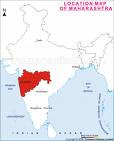
The history of this region goes to the third century BCE.
The first known rulers of Maharashtra were the
Satavahanas (1st century BCE to 250 CE)
who were succeeded by Abhiras (3rd Century CE),
Vakatakas (25th CE to 510 CE),
Kalachuris (5th to 6th century CE),
Western Chalukyas (560 – 750 CE),
Rashtrakutas (750 – 950 CE), and
Silaharas(10th to 12th century CE).
The Marathas came into the limelight of history during the Yadava period, for example form the 12th century onwards. According to the Mahanubhavas, this region had earned the name’ Mahanta Rashtra’, a great country during the 14th century.


Culture
 Archaeologists are the term culture for a group of object, distinctive in style that is usually found together within a specific geographical area and period of time.

Culture: The system of shared beliefs, values, customs, behaviors’, and artifacts that the members of society use to cope with their world and with one another, and that are transmitted from generation to generation through learning .
Anthropology began as a specialized discipline in the 19th century within a theoretical school called evolutionism. This approach was related to the dominant Darwinist and, more importantly, social Darwinist paradigms of the period. Evolutionists proposed a developmental framework for recording and interpreting cultural variations around the world and understanding them in relation to contemporary Victorian standards. Culture was reduced to separable traits, which were collected by travelers, traders, and missionaries and collated by "armchair anthropologists" in much the same way as natural specimens and fossils. Grand catalogues of these items were used to chart the stages of the human cultural development under an assumption that some traits were representative of earlier or more "primitive" historical periods. This view ultimately rested on a racial theory that these progressively arranged cultural differences were attributable to unequal genetic propensities and endowments among peoples.
The theses of early anthropology are evident in Edward Tylor's 1871 work, Primitive Culture, which includes the first formal definition of culture:
Culture or Civilization, is that complex whole which includes knowledge, belief, art, morals, law, custom and any other capabilities and habits acquired by man as a member of society.
The telling point of this definition is that, although labeled a whole, culture is actually treated as a list of elements. In effect, culture traits were understood as representing one of a series of stages of mental and moral progress culminating in the rational society of industrializing England.
Although most of these prejudices about non-Western peoples are still with us, anthropologists have thoroughly repudiated the 19th century approach as an expression of racialism and ethnocentrism, the practice of interpreting and judging other cultures by the values of one's own. Franz Boas, an early 20th century anthropologist, was instrumental in this reversal of perspective and laid out the ground rules for the modern anthropological orientation of cultural relativism. This approach rests on four major postulates, which directly confront the evolutionist position.
CULTURE

1. Cultural aspects of human behavior are not biologically based or conditioned but are acquired solely through learning.
2. Cultural conditioning of behavior is ultimately accomplished through habituation and thus acts through unconscious processes rather than rational deliberation, although secondary rationalizations are often offered to explain cultural values.
3. All cultures are equally developed according to their own priorities and values; none is better, more advanced, or less primitive than any other.
4. Cultural traits cannot be classified or interpreted according to universal categories appropriate to "human nature". They assume meaning only within the context of coherently interrelated elements internal to the particular culture under consideration.
Source- http://www.umanitoba.ca/faculties/arts/anthropology/courses/122/module1/history.html
Subscribe to:
Posts (Atom)